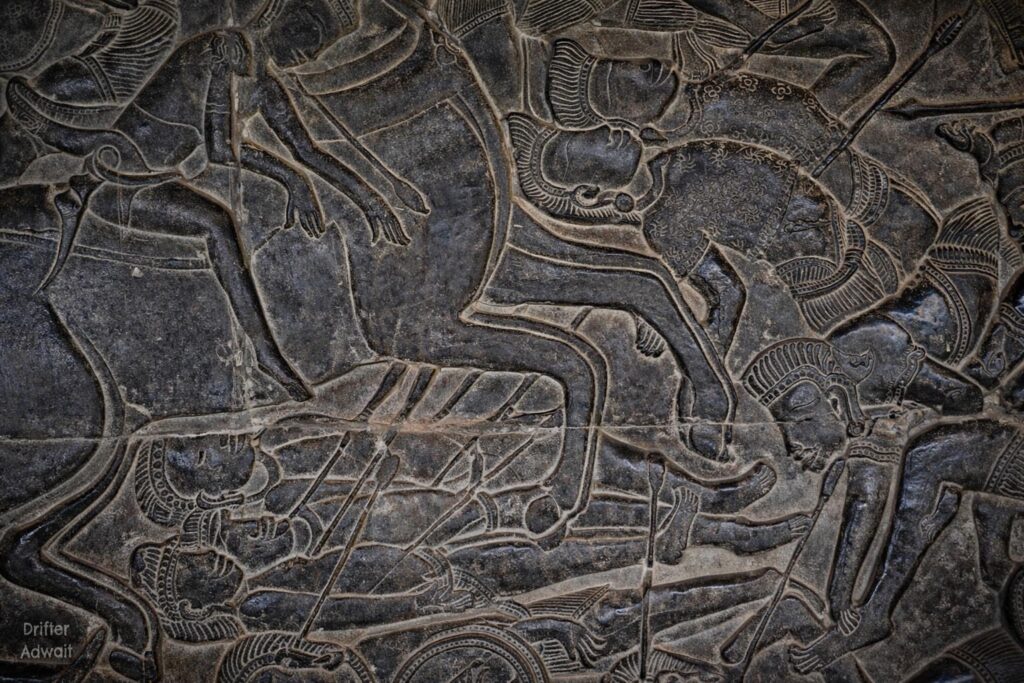
On the fifteenth day of the great war of Kurukshetra, the battlefield awoke beneath a storm of iron and flame. The noble Drona, commander of the Kaurava Army, unleashed upon the battlefield a dreadful river of slaughter, like the final deluge that ends all ages. Its rushing waters were blood itself, rising in waves of shattered armor and swirling beneath fallen banners. Its banks, carved from heaps of human bodies, crumbled as the torrent surged forward, striking terror into every heart.
Within its depths, elephants and horses churned like monstrous crocodiles, while swords flashed like ravenous fish. The bones of heroes lay scattered like sand along its bed, drums bobbed like ancient turtles, and shields drifted like fragile boats upon the crimson flood. Arrows sped as fierce currents, bows marked its hidden springs, and severed arms slithered like serpents through the rushing stream as it swept away warriors of both armies without mercy.
Severed heads loomed like boulders, turbans shimmered like pale foam, and torn entrails coiled beneath the surface like dreadful snakes. Thick with the mire of flesh and blood, the river roared onward toward the dark realm of Yama, drowning the warrior caste in its depths. Along its shores gathered jackals, dogs, and flesh-eating beasts, while terrifying demons lurked all around, as the battlefield itself became a vision of the world’s end.
In a single moment of divine fury, he hurled two spears that pierced King Drupada and King Virata, felling them like mountains struck by lightning. The earth shook beneath his chariot, and the heavens darkened with arrows. Soldiers fled before him as forests fall before wildfire. Where Guru Drona passed, only silence and blood remained.
The Duel of Teacher and Disciple
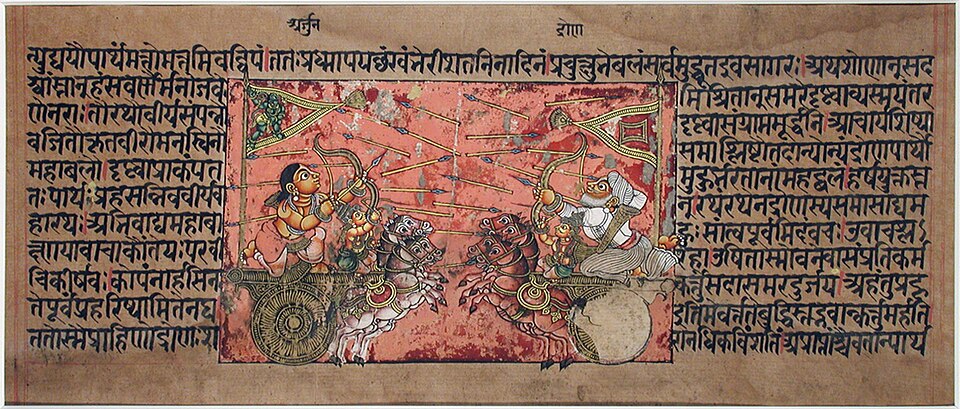
To stem this tide of annihilation, Arjuna rode forth, confronting the master who had once shaped his hands to the bow. The clash between teacher and disciple was not mere combat but a sacred contest of divine knowledge. Celestial weapons blazed across the sky like wandering stars, each undone effortlessly by the other. Fire met water, thunder met shadow, yet neither warrior faltered.
At last, Guru Drona released the terrible Brahmastra, the weapon that could dissolve the world itself. Arjuna answered with his own Brahmastra, and the two forces neutralized each other in a blinding radiance. Knowing neither could prevail, the two supreme warriors withdrew, turning toward different quarters of the battlefield.
Yet Guru Dron’s fury burned unquenched.
Shri Krishna’s Grave Realization
Witnessing the unending slaughter, Krishna’s heart grew heavy with foreboding. He spoke with grave urgency, warning that unless Guru Drona was halted that very day, the Pandava army would perish before the sun reached its zenith.
नैष युद्धे न संग्रामे जेतुं शक्यः कथञ्चन । सधनुर्धन्विनां श्रेष्ठो देवैरपि सवासवैः ।।
न्यस्तशस्त्रस्तु संग्रामे शक्यो हन्तुं भवेन्नृभिः । आस्थीयतां जये योगो धर्ममुत्सृज्य पाण्डवाः ।।
यथा वः संयुगे सर्वान् न हन्याद् रुक्मवाहनः ।।
“O Partha,” said Krishna, “this Dronacharya stands foremost among all masters of the bow. So long as the bow remains in his hands, not even all the gods together, with Indra at their head, can conquer him in battle. Only when he lays down his weapons can he be slain by human hands.
Therefore, O Pandavas, abandon this sentiment of righteousness that says, ‘It is improper to slay the guru,’ and make every effort to overcome him — lest Dronacharya, riding his golden chariot, destroy every one of you.”
He revealed a grim truth: death itself could not approach the warrior so long as his bow remained in his hands.
The Unleashing of Unimaginable Carnage
ततो भीमो महाबाहुरनीके स्वे महागजम् ।।जघान गदया राजन्नश्वत्थामानमित्युत ।।
परप्रमथनं घोरं मालवस्येन्द्रवर्मणः ।।भीमसेनस्तु सव्रीडमुपेत्य द्रोणमाहवे । अश्वत्थामा हत इति शब्दमुच्चैश्चकार ह ।।
Though Arjuna and Yudhishthira protested, Krishna’s resolve did not waver. Among the Pandava forces stood a colossal elephant named Ashwatthama, belonging to King Indravarma of Malwa. With a blow that echoed like thunder across the plain, Bhima struck the beast down. Dust rose like a funeral cloud above the fallen giant.
Bhima rushed toward Guru Dron, his voice roaring he proclaimed “I have stained Ashwatthama!”.
The words did not bring calm, but instead ignited a storm beyond measure. In moments, Guru Drona struck down fifty warriors of Matsya and drowned six thousand Srunjaya soldiers in blood. Soon after, with terrifying ease, he slaughtered ten thousand war elephants and ten thousand horsemen.
The battlefield transformed into a vision of hell. Smoke and fire darkened the sky, blood soaked the earth, and the stench of death spread in every direction. Broken chariots lay scattered like fallen towers, while corpses rose in dreadful heaps beneath circling birds of prey.
When Even the Gods Trembled
क्षत्रियाणामभावाय दृष्ट्वा द्रोणमवस्थितम् । ऋषयोऽभ्यागतास्तूर्णं हव्यवाहपुरोगमाः ।।
विश्वामित्रो जमदग्निर्भरद्वाजोऽथ गौतमः । वसिष्ठः कश्यपोऽत्रिश्च ब्रह्मलोकं निनीषवः ।।
सिकताः पृश्नयो गर्गा वालखिल्या मरीचिपाः । भृगवोऽङ्गिरसश्चैव सूक्ष्माश्चान्ये महर्षयः ।।
त एनमब्रुवन् सर्वे द्रोणमाहवशोभिनम् । अधर्मतः कृतं युद्धं समयो निधनस्य ते ।।
न्यस्यायुधं रणे द्रोण समीक्षास्मानवस्थितान् । नातः क्रूरतरं कर्म पुनः कर्तुमिहार्हसि ।।
Beholding Dronacharya thus fiercely resolved to bring about the utter destruction of the Kshatriya warriors, a great and radiant assembly of exalted sages swiftly descended upon the battlefield, led by Agni, the blazing lord of fire himself. Vishwamitra of boundless power, Jamadagni the austere, Bharadwaja the venerable, Gautama the wise, Vasishtha the divine, Kashyapa the ancient progenitor, and Atri the luminous seer arrived there, all filled with the sacred purpose of bearing Dronacharya away to the immortal realm of Brahmaloka.
Along with them came Sikat, Prishni, the revered sage Garga, the wondrous Valakhilyas who sustain themselves upon the golden rays of the sun, as well as the mighty rishis Bhrigu and Angiras, and many other great ascetics of subtle, ethereal form. Gathering around Dronacharya, who stood resplendent and terrible in the splendor of battle, they addressed him in solemn voices:
“O Drona! Lay down your terrible weapons and turn your gaze upon us who stand before you. Until this moment you have waged this war in the path of unrighteousness; now the destined hour of your death has arrived. Therefore, commit no further acts of cruel destruction.”
वेदवेदाङ्गविदुषः सत्यधर्मरतस्य ते । ब्राह्मणस्य विशेषेण तवैतन्नोपपद्यते ।त्यजायुधममोघेषो तिष्ठ वर्त्मनि शाश्वते ।।
परिपूर्णश्च कालस्ते वस्तुं लोकेऽद्य मानुषे ।ब्रह्मास्त्रेण त्वया दग्धा अनस्त्रज्ञा नरा भुवि । यदेतदीदृशं विप्र कृतं कर्म न साधु तत् ।।
“You are a profound knower of the Vedas and the sacred Vedangas, a Brahmin especially devoted to truth and righteousness; such cruel deeds do not befit one of your exalted station. O Dronacharya of unfailing arrows! Renounce your weapons of war and reestablish yourself upon the eternal path of dharma. Today the allotted span of your dwelling in this mortal world has reached its destined end.
Upon this earthly realm you have burned even those who knew nothing of the Brahmastra with the dreadful fire of the Brahmastra itself. O revered Brahmin! The deeds you have committed in this manner are by no means noble nor righteous.”
न्यस्यायुधं रणे विप्र द्रोण मा त्वं चिरं कृथाः । मा पापिष्ठतरं कर्म करिष्यसि पुनर्द्विज ।।
इति तेषां वचः श्रुत्वा भीमसेनवचश्च तत् । धृष्टद्युम्नं च सम्प्रेक्ष्य रणे स विमनाऽभवत् ।।
“O most excellent of Brahmins, Drona! Lay down your weapons upon this battlefield and do not delay in this act. O revered sage, commit no further deeds so exceedingly sinful and grievous.”
Hearing these solemn words of the great seers, reflecting deeply upon the proclamation of Bhimasena, and beholding Dhrishtadyumna standing before him upon the field of war, the heart of Acharya Drona grew heavy and filled with sorrow.
The Painful Half-Truth
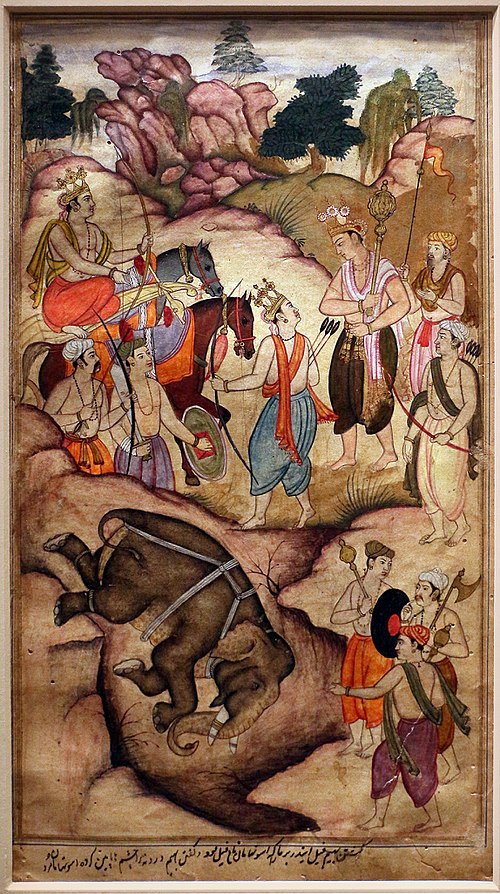
Moved by their words and thoughts of his beloved son, Guru Dron’s heart wavered. Seeking certainty amid the chaos, he approached Yudhishthira. The king of righteousness stood torn between truth and strategy, his soul trembling beneath the weight of destiny.
तमतथ्यभये मग्नो जये सक्तो युधिष्ठिरः । (अश्वत्थामा हत इति शब्दमुच्चैश्चचार ह ।)
अव्यक्तमब्रवीद् राजन् हतः कुञ्जर इत्युत।।
On the one hand, he was submerged in dread at the thought of falsehood, and on the other, he was ardently striving, with deep attachment, for the attainment of victory. Therefore, O King, he proclaimed aloud the words, “Ashwatthama has been slain,” yet softly and faintly he added, “it is the elephant that has been killed.”
तस्य पूर्व रथः पृथ्व्याश्चतुरङ्गुलमुच्छ्रितः । बभूवैवं च तेनोक्ते तस्य वाहाः स्पृशन्महीम् ।।
Until that moment, Yudhishthira’s chariot had always moved four fingers’ breadth above the surface of the earth, untouched by dust or ground. But on that very day, the instant he uttered this falsehood in such a manner, the horses of his chariot descended and began to move while touching the earth itself.
युधिष्ठिरात् तु तद् वाक्यं श्रुत्वा द्रोणो महारथः । पुत्रव्यसनसंतप्तो निराशो जीवितेऽभवत् ।।
आगस्कृतमिवात्मानं पाण्डवानां महात्मनाम् । ऋषिवाक्येन मन्वानः श्रुत्वा च निहतं सुतम् ।।
Upon hearing these words fall from the lips of Yudhishthira, the great chariot-warrior Dronacharya, tormented by burning grief for his son, lost all hope in life itself. Struck by the tidings of his son’s death, and recalling the solemn words of the great sages, he began to regard himself as though he were a transgressor against the noble Pandavas.
The words struck Guru Drona like a blade of sorrow. Doubt clouded his spirit, and despair drained his strength. The mighty warrior felt the world shift beneath his feet.
Drushtadyumna’s Stand Against Drona
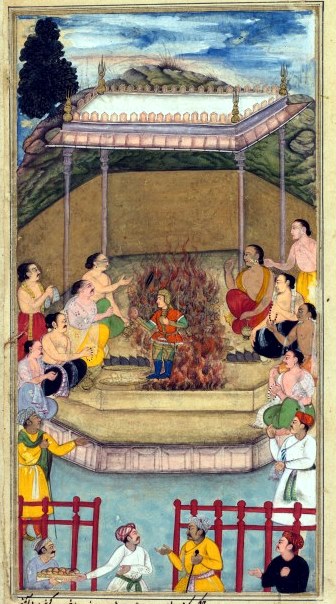
तौ न्यवारयतां श्रेष्ठौ संरब्धौ रणशोभिनौ । उदीरयेतां ब्रह्माणि दिव्यान्यस्त्राण्यनेकशः ।।
स महास्त्रैर्महाराज द्रोणमाच्छादयद् रणे । निहत्य सर्वाण्यस्त्राणि भारद्वाजस्य पार्षतः ।।
सवसातीशिबींश्चैव बालीकान् कौरवानपि । रक्षिष्यमाणान् संग्रामे द्रोणं व्यधमदच्युतः ।।
Upon the battlefield, where glory and terror intertwined, those two foremost warriors, inflamed with righteous fury, began to unleash manifold celestial weapons, even the dreadful Brahmastras themselves, each striving to halt the advance of the other. O King, Drushtadyumna shattered every weapon of Dronacharya upon the field and overwhelmed him with his own mighty missiles.
That steadfast hero of Panchala, who never wavered in battle, also slew Basati, Shibi, Bahlika, and the Kaurava warriors who stood as Dronacharya’s protectors.
तस्य द्रोणो धनुश्छित्त्वा विद्ध्वा चैनं शिलीमुखैः । मर्माण्यभ्यहनद् भूयः स व्यथां परमामगात् ।।
ततो भीमो दृढक्रोधो द्रोणस्याश्लिष्य तं रथम् । शनकैरिव राजेन्द्र द्रोणं वचनमब्रवीत् ।।
Thereafter, Dronacharya severed the bow of Drushtadyumna and struck him with a rain of arrows, wounding him grievously and once again piercing his vital points with deep and painful blows, causing him intense agony.
Then Bhimasena, who held his wrath firmly restrained within his mighty heart, drew his chariot close beside that of Dronacharya and spoke to him slowly and deliberately in the following manner.
The Breaking of the Great Warrior
यदि नाम न युध्येरन् शिक्षिता ब्रह्मबन्धवः । स्वकर्मभिरसंतुष्टा न स्म क्षत्रं क्षयं व्रजेत् ।।
श्वपाकवन्म्लेच्छगणान् हत्वा चान्यान् पृथग्विधान् । अज्ञानान्मूढवद् ब्रह्मन् पुत्रदारधनेप्सया ।।
एकस्यार्थे बहून् हत्वा पुत्रस्याधर्मविद्यया । स्वकर्मस्थान् विकर्मस्थो न व्यपत्रपसे कथम् ।।
“If a learned Brahmin, dissatisfied with his ordained duties, had not taken refuge in the path of another’s dharma and entered into warfare, then this slaughter of the Kshatriyas would not have come to pass.
O revered Brahmin! Though you are a knower of sacred wisdom, driven by craving for woman, wealth, and son, you have destroyed countless Mlecchas and many other multitudes of Kshatriyas like a foolish outcaste.
For the sake of the livelihood of your single son, adopting a course of inverted conduct, how do you not feel shame after slaying vast numbers of righteous Kshatriyas through this sinful art?”
यस्यार्थे शस्त्रमादाय यमपेक्ष्य च जीवसि । स चाद्य पतितः शेते पृष्ठे नावेदितस्तव ।।
धर्मराजस्य तद् वाक्यं नाभिशङ्कितुमर्हसि ।।
“He for whose sake you lifted your weapons, he for whose life’s preservation you continue to live, has today fallen behind upon the battlefield and now lies sunk in eternal sleep — and no one even informed you of it.
Upon that declaration of the righteous king Yudhishthira, you should harbor neither doubt nor disbelief.”
एवमुक्तस्ततो द्रोणो भीमेनोत्सृज्य तद् धनुः ।सर्वाण्यस्त्राणि धर्मात्मा हातुकामोऽभ्यभाषत ।।
कर्ण कर्ण महेष्वास कृप दुर्योधनेति च । संग्रामे क्रियतां यत्नो ब्रवीम्येष पुनः पुनः ।।
पाण्डवेभ्यः शिवं वोऽस्तु शस्त्रमभ्युत्सृजाम्यहम् ।।
When Bhimasena spoke thus, the righteous-hearted Dronacharya, casting away his bow and desiring to renounce all other weapons of war, addressed them in this manner:
“O Karna! O Karna! O Kripacharya, supreme master of the bow! And you, Duryodhana! Now strive by your own strength to attain victory in this war — this I tell you again and again. May the Pandavas aid you. Now I lay aside all weapons of battle.”
इति तत्र महाराज प्राक्रोशद् द्रौणिमेव च । उत्सृज्य च रणे शस्त्रं रथोपस्थे निविश्य च ।अभयं सर्वभूतानां प्रददौ योगमीयिवान् ।।
Having spoken thus, he then called out repeatedly the name of Ashwatthama there upon the battlefield. Thereafter, casting away all his weapons of war upon the blood-stained ground, he went and seated himself upon the rear portion of his chariot.
Then he granted fearlessness to all beings and entered into deep meditative trance, absorbed in profound samadhi.
A Divine Ascent
तस्य तच्छिद्रमाज्ञाय धृष्टद्युम्नः प्रतापवान् । सशरं तद् धनुर्घोरं संन्यस्याथ रथे ततः । खड्गी रथादवप्लुत्य सहसा द्रोणमभ्ययात्।
Recognizing that this was a noble and fitting moment to strike, the valiant and formidable Dhrishtadyumna set aside his terrible bow, still strung with arrows, upon his chariot itself. Drawing his sword into his hand, he leapt suddenly from the chariot and in a swift bound reached the side of Dronacharya.
हाहाकृतानि भूतानि मानुषाणीतराणि च । द्रोणं तथागतं दृष्ट्वा धृष्टद्युम्नवशं गतम् ।।
हाहाकारं भृशं चक्रुरहो धिगिति चाब्रुवन् । द्रोणोऽपि शस्त्राण्युत्सृज्य परमं सांख्यमास्थितः ।।
Beholding Dronacharya in that condition, fallen under the power of Dhrishtadyumna, men and all other beings alike cried out in anguished lamentation. Throughout the battlefield a great wail arose, and all voices exclaimed, “Alas! Shame, shame!”
Meanwhile, Acharya Drona, having utterly renounced all weapons, became established in the supreme state of divine knowledge.
तथोक्त्वा योगमास्थाय ज्योतिर्भूतो महातपाः । पुराणं पुरुषं विष्णुं जगाम मनसा परम् ।।
That great ascetic Drona, having spoken those words previously, took refuge in the sacred path of yoga. Experiencing inwardly his oneness with the luminous Supreme Brahman, he began within his heart to meditate upon the supreme, eternal Primeval Being, Lord Vishnu.
मुखं किंचित् समुन्नाम्य विष्टभ्य उरमग्रतः । निमीलिताक्षः सत्त्वस्थो निक्षिप्य हृदि धारणाम् ।।
ओमित्येकाक्षरं ब्रह्म ज्योतिर्भूतो महातपाः । स्मरित्वा देवदेवेशमक्षरं परमं प्रभुम् ।।
दिवमाक्रामदाचार्यः साक्षात् सद्भिर्दुराक्रमाम् ।।
He gently raised his face upward and held his chest firm and steady toward the front. Then, established in pure and luminous sattva, he closed his eyes and fixed unwavering concentration within his heart.
At the same time, chanting the sacred single-syllabled Brahman, “Om,” that great ascetic Acharya Drona meditated upon the imperishable Supreme Lord, the God of gods, who is the very essence and meaning of the Pranava. As he continued this contemplation, he himself became radiant light and departed to the Brahmaloka — that exalted realm which even the greatest saints attain only with great difficulty.
द्वौ सूर्याविति नो बुद्धिरासीत् तस्मिंस्तथागते ।। एकाग्रमिव चासीच्च ज्योतिर्भिः पूरितं नभः । समपद्यत चार्काभे भारद्वाजदिवाकरे ।।
When Acharya Drona thus departed from his mortal form, it appeared to us as though two suns had risen in the heavens. With the ascent of Dronacharya, radiant like the blazing sun itself, the entire sky became filled with resplendent light and seemed to merge in single-minded unity with that divine brilliance.
निमेषमात्रेण च तज्ज्योतिरन्तरधीयत । आसीत् किलकिलाशब्दः प्रहृष्टानां दिवौकसाम् ।। ब्रह्मलोकगते द्रोणे धृष्टद्युम्ने च मोहिते ।।
In the blink of an eye, that radiant light ascended into the heavens and vanished from sight. As Dronacharya departed to Brahmaloka and Dhrishtadyumna became intoxicated by triumph and dishonor, the air resounded with the joyous tumult and exultant clamor of the gods.
वयमेव तदाद्राक्ष्म पञ्च मानुषयोनयः । योगयुक्तं महात्मानं गच्छन्तं परमां गतिम् ।।
अहं धनंजयः पार्थो कृपः शारद्वतस्तथा । वासुदेवश्च वाष्र्णेयो धर्मपुत्रश्च पाण्डवः ।।
अन्ये तु सर्वे नापश्यन् भारद्वाजस्य धीमतः । महिमानं महाराज योगयुक्तस्य गच्छतः ।।
At that time, only five among men beheld the great yogic ascension of Dronacharya toward the supreme abode — I myself, Sanjaya; Arjuna, the son of Kunti; Kripacharya; Lord Krishna of the Vrishni lineage; and Yudhishthira, the righteous son of Pandu.
All others failed to witness the glory of the wise Dronacharya as he, united in yoga, rose upward upon the celestial path.
उक्तवांश्च महाबाहुः कुन्तीपुत्रो धनंजयः ।जीवन्तमानयाचार्यं मा वधीद्रुपदात्मज । न हन्तव्यो न हन्तव्य इति ते सैनिकाश्च ह ।। उत्क्रोशन्नर्जुनश्चैव सानुक्रोशस्तमाव्रजत् । क्रोशमानेऽर्जुने चैव पार्थिवेषु च सर्वशः । धृष्टद्युम्नोऽवधीद् द्रोणं रथतल्पे नरर्षभम् ।।
Although at that time the mighty-armed Arjuna, son of Kunti, cried out repeatedly, “O son of Drupada! Bring the Acharya alive — do not slay him!” your soldiers too continued again and again to shout, “Do not kill him, do not kill him!”
Moved by compassion, Arjuna ran toward Dhrishtadyumna, crying aloud. Yet despite his cries and the continued pleas of all the kings, Dhrishtadyumna nevertheless slew the foremost of men, Drona, upon the seat of the chariot.
वितुन्नाङ्गं शरव्रातैर्यस्तायुधमसृक्क्षरम् । धिक्कृतः पार्षतस्तं तु सर्वभूतैः परामृशत् ।।
तस्य मूर्धानमालम्ब्य गतसत्त्वस्य देहिनः । किंचिदब्रुवतः कायाद् विचकर्तासिना शिरः ।।
His entire body had been torn and shattered by clusters of arrows, from which streams of blood were flowing, and he had already cast aside all his weapons of war. In that condition, Dhrishtadyumna laid his hand upon him. At that moment, all beings were crying out in condemnation.
The embodied form of Drona had already been abandoned by life, and therefore he spoke no word. In this state, seizing him by the hair of his head, Dhrishtadyumna severed his head from his body with his sword.
एवं तं निहतं संख्ये ददृशे सैनिको जनः ।धृष्टद्युम्नस्तु तद् राजन् भारद्वाजशिरोऽहरत् ।।
तावकानां महेष्वासः प्रमुखे तत् समाक्षिपत् ।।
Thus all the warriors beheld with their own eyes the slaying of Dronacharya. O King, the mighty bowman Dhrishtadyumna lifted up the severed head of Guru Drona and cast it before your sons (Kaurava Army).
Sculpture One: Guru Drona on Bhuleshwar Temple, Maharashtra, India
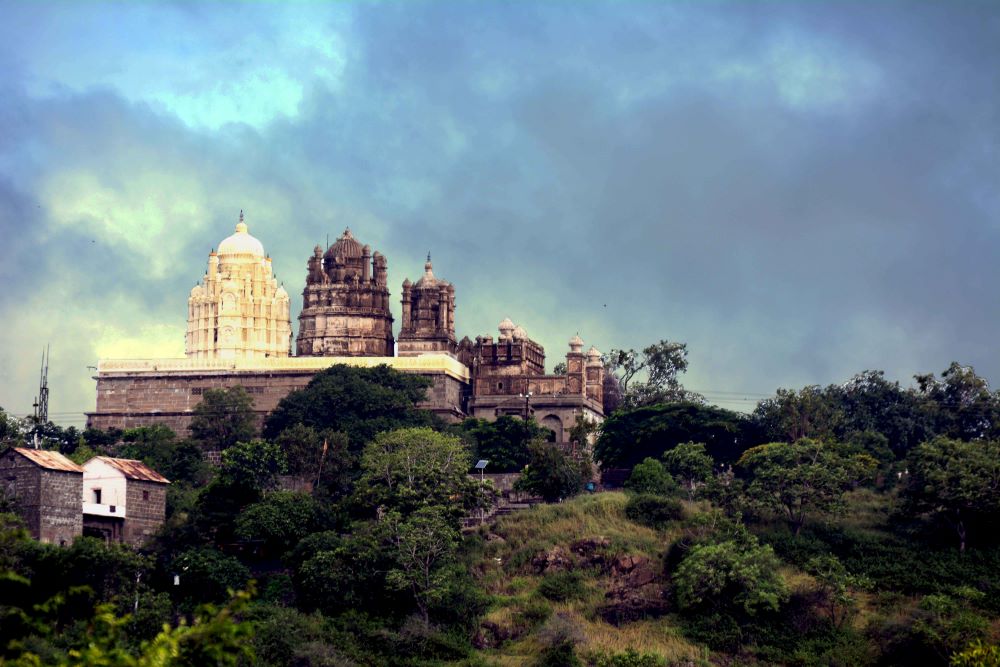
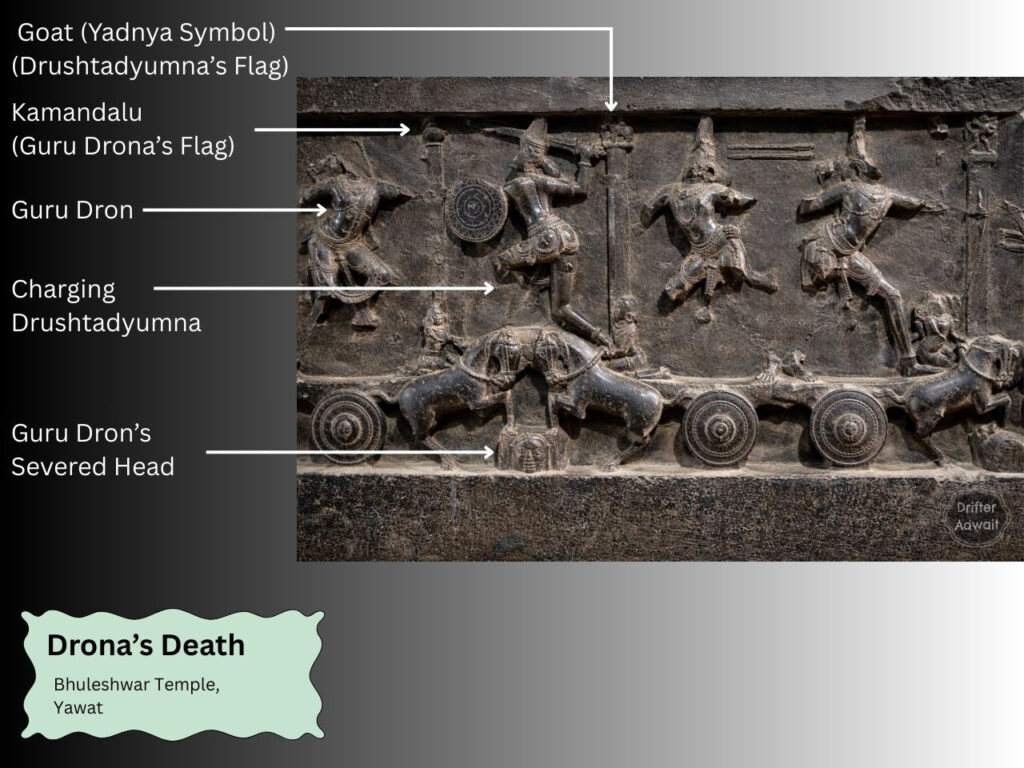
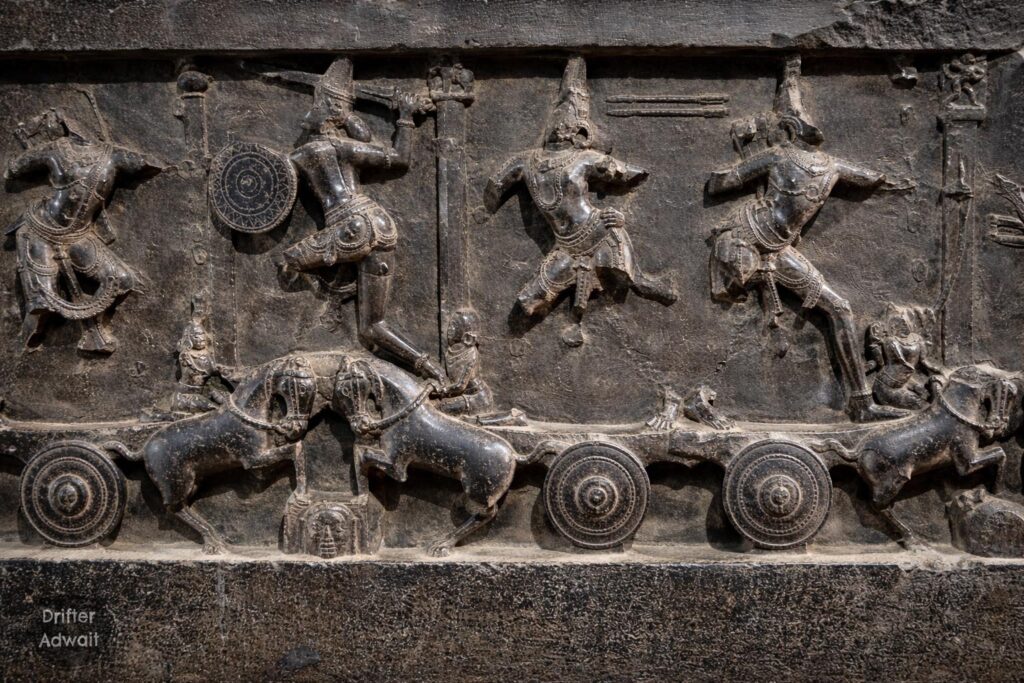
This grievous yet fate-altering moment of the Mahabharata has been eternally sealed in stone within the sacred precincts of the Bhuleshwar Temple in Maharashtra. Here, Guru Drona stands poised in the act of releasing his arrows, his battle banner adorned with the holy kamandalu, just as the ancient epic so vividly describes.
Before him surges Dhrishtadyumna, sword lifted high in fierce resolve, his form frozen in the very breath of attack. Upon the earth below rests the severed head of the great teacher, solemnly proclaiming the turning of destiny’s wheel in the war.
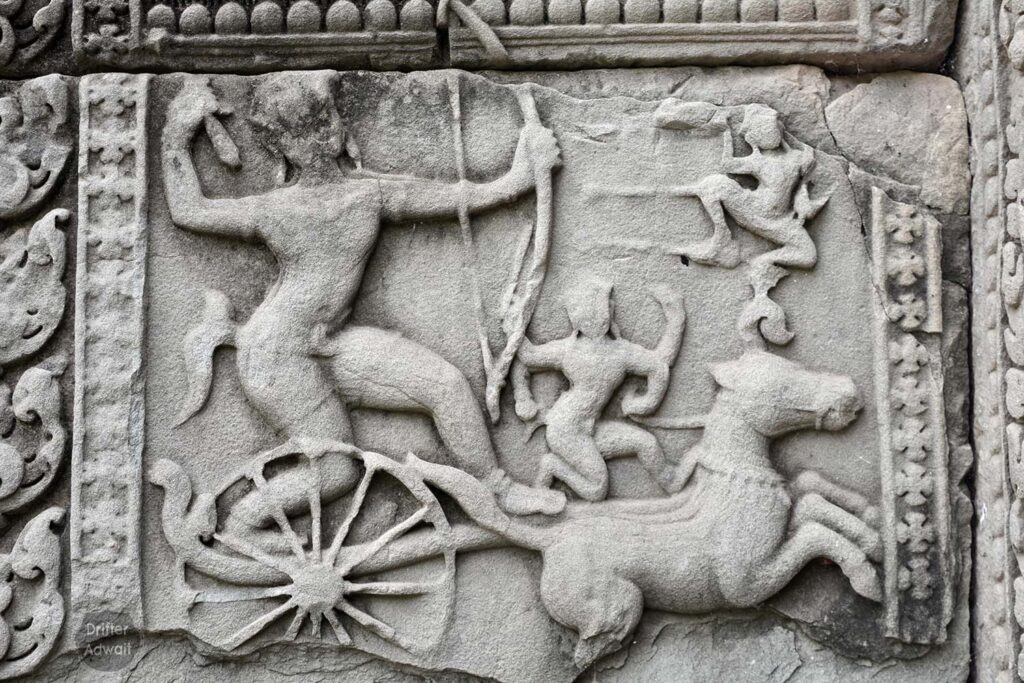
Sculpture Two: Guru Drona on Angkor Wat, Cambodia
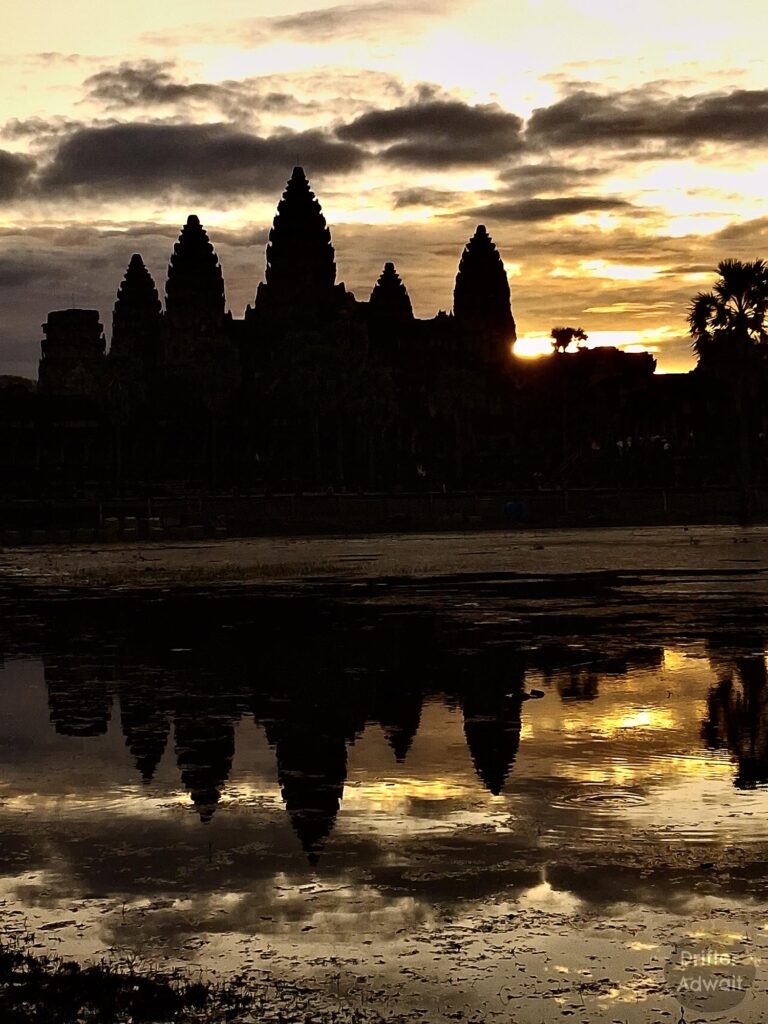
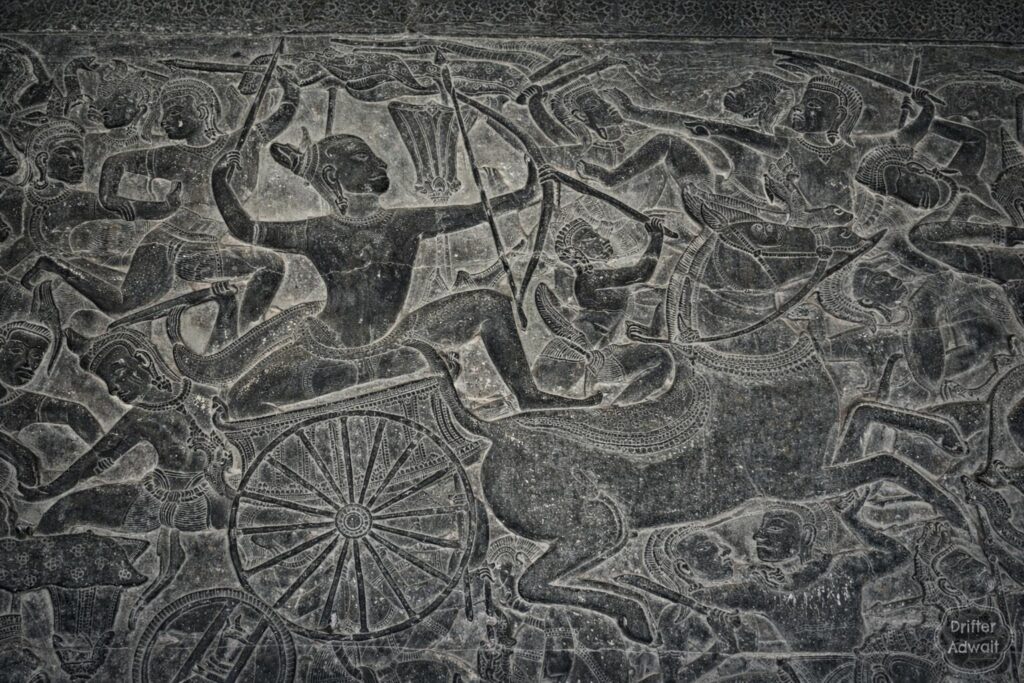
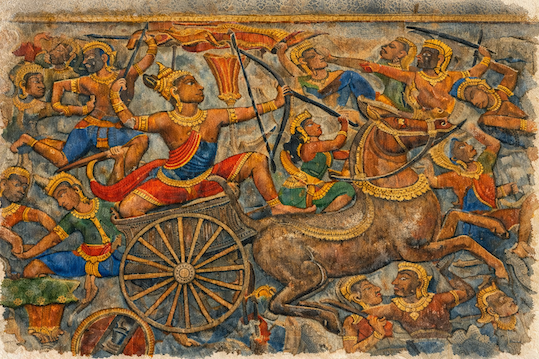
Far across the seas from the land of Bharata, the ancient sculptors of Cambodia enshrined the memory of Guru Drona upon the vast walls of Angkor Wat. In a monumental relief, he is shown armored upon his chariot, rushing upon the Pandava host like a living force of annihilation.
Every curve of his posture, every tension of his drawn bow, and every spark of fury in his stance is rendered with breathtaking realism. It appears as though the artist carved not merely stone, but the very spirit of the Mahabharata itself.
Sculpture Three: Baphuon Hindu Pyramid, Cambodia
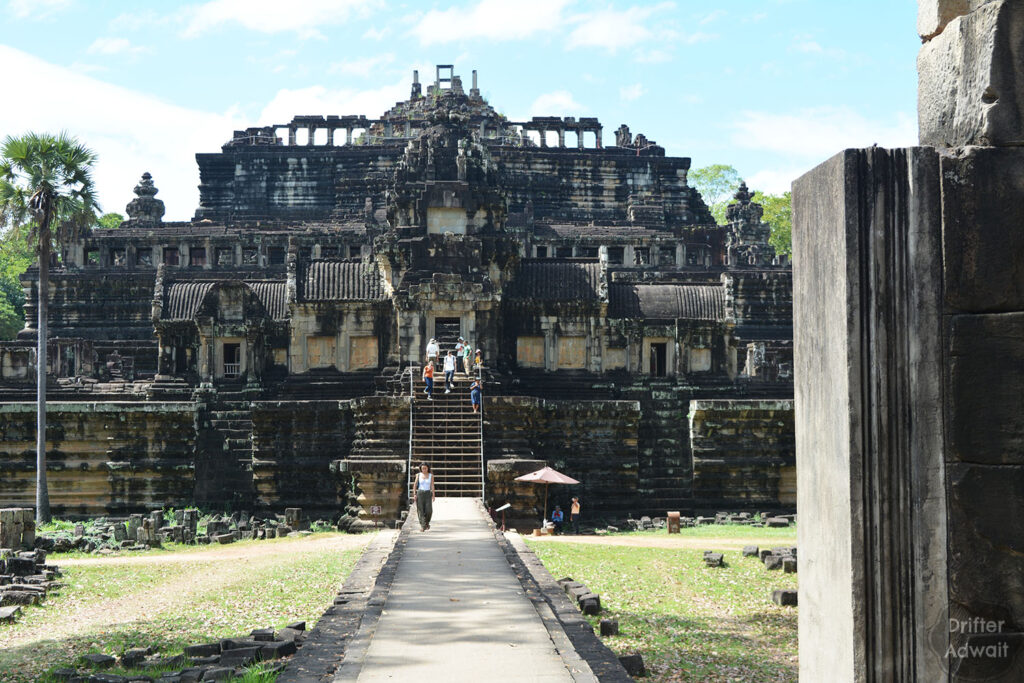
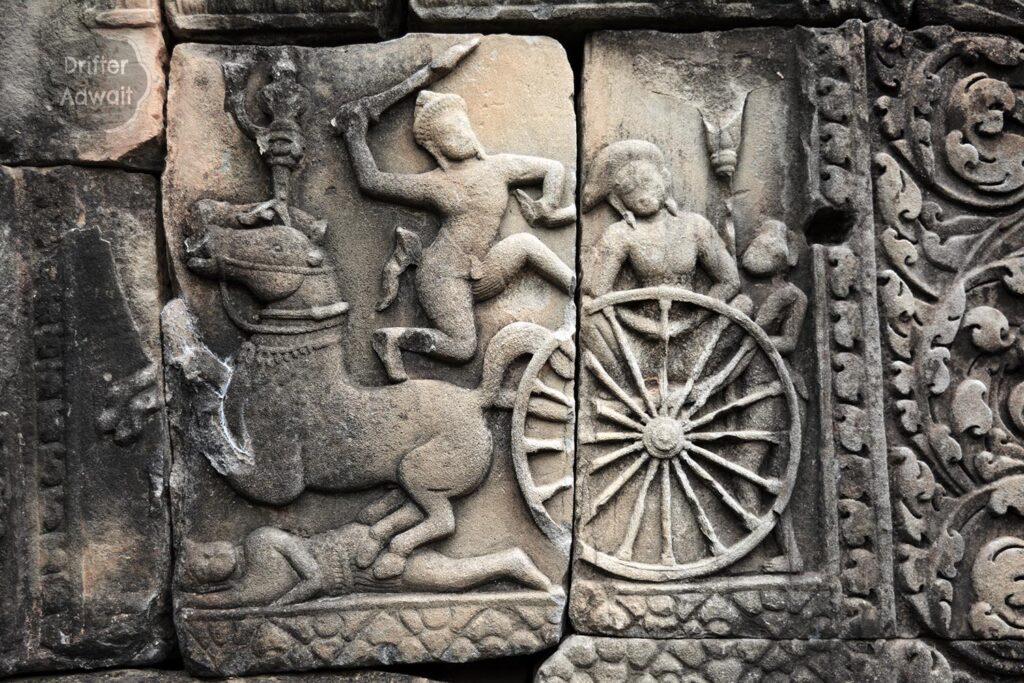
Upon the weathered walls of the ancient Baphuon pyramid rests a smaller yet deeply moving carving that captures the instant of tragic surrender and death. Guru Drona is shown seated in profound meditation, his weapons cast aside, while his kamandalu-bearing banner still rises above him in quiet dignity.
At that precise moment, Dhrishtadyumna rushes forward, seizing Guru Drona’s hair with sword lifted to strike. Though modest in scale, the relief holds within it the terrifying swiftness and sorrow of that fatal moment, preserved forever in stone.
The Life Lesson of Guru Drona
The life of Guru Drona stands as a powerful study of how attachment can lead even the noblest toward ruin. Born into poverty, he accepted royal patronage to secure a better future for his son Ashwatthama. Slowly, desire entangled him within the webs of power and politics. What began as love hardened into bondage.
To protect his son’s prospects, he aligned himself with Dhritarashtra’s unjust cause. Though possessing the strength and wisdom to oppose wrongdoing, he remained silent, blinded by attachment. The ancient maxim proved true — man becomes the servant of wealth and desire. Step by step, Guru Drona drifted from righteousness until he stood as a defender of adharma itself.
Mahabharata: More Than a War Story
From Bhuleshwar in India to Angkor Wat and Baphuon in Cambodia, these sculptures proclaim that the Mahabharata is far more than a tale of war. It is a profound meditation on the human struggle between duty and desire, conscience and ambition. It reveals how love can turn into blindness and power into downfall. When attachment conquers dharma, even the noblest fall.
Sometimes, the restoration of righteousness demands the tragic end of the great. The fall of Guru Drona is not merely a death on the battlefield, but a moral reckoning etched into eternity.
Beyond heroism and tragedy, the epic offers a mirror to civilization itself. It questions the cost of loyalty, the weight of personal bonds, and the fragile line between righteousness and ruin. Through Guru Dron’s fate, the Mahabharata warns that moral compromise, however small, can cascade into catastrophe.
A Legacy Across Civilizations
That Cambodian sculptors chose this very episode to carve upon sacred temples speaks of profound cultural understanding. They embraced the Mahabharata not as spectacle and a storybook, but as timeless human philosophy expressed through words. In their temple reliefs, they preserved the eternal conflict between heart and duty for generations yet to come. Though far from India, these carvings remain priceless treasures of shared heritage.
These temples reveal how Indian thought traveled across seas and took root in Southeast Asia. The Mahabharata became a spiritual language understood beyond geography, shaping kingship, ethics, and sacred art. Through Khmer stone and Indian epic vision, a civilization conversed across centuries.
Together, these sculptures stand as silent witnesses to a once interconnected world — where stories of dharma bound cultures together.
Reference:
Drona Parva, Mahabharata Volume 3 & 4, Geeta Press Gorakhpur, India.