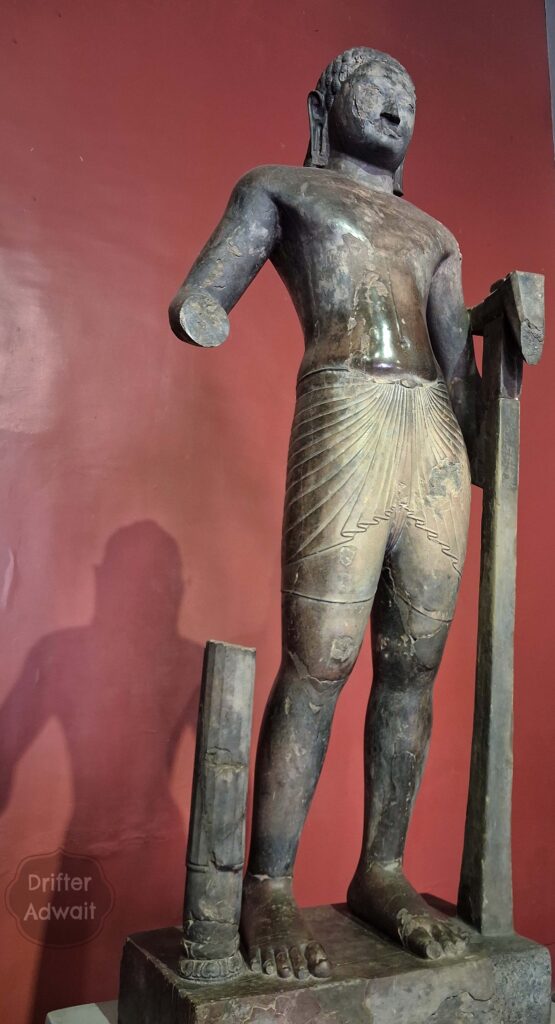
When the hour of choosing came, Krishna, the Keeper of Dharma, chose Kurukshetra—the Battlefield of Righteousness—upon which the fate of ages would be decided. Yet Balarama, wielder of the plough and elder of the Yadus, turned away from that fratricidal storm and departed upon a sacred pilgrimage along the ancient Sarasvati, whose waters had witnessed the hymns of the earliest seers. There, he would spent many days, visiting different Teerthas and meeting well learned sages.
स्नात्वातत्रचधर्मात्मापरांप्रीतिमवाप्यच।ऋषिभिश्चैवसिद्धेश्चसहितोवैमहाबलः।।उपविष्टःकथाःशुभ्राःशुश्रावयदुपुङ्गवः।तथातुतिष्ठतांतेषांनारदोभगवानृषिः।।आजगामाथतंदेशंयत्ररामोव्यवस्थितः।पूर्वमेवहतोभीष्मोद्रोणःसिन्धुपतिस्तथा।।हतोवैकर्तनःकर्णःपुत्राश्चास्यमहारथाः।भूरिश्रवारौहिणेयमद्रराजश्चवीर्यवान्।।तेऽपिवैविद्रुतारामदिशोदशभयात्तदा।दुर्योधनेहतेशल्येविद्रुतेषुकृपादिषु।।हृदंद्वैपायनंनामविवेशभृशदुःखितः।
Upon the banks of the Yamuna there lay a sacred place, where in ages past Indra, and Agni of the eternal flame, and Aryaman the noble had known great joy. Thither came Balarama, mighty and virtuous, riding in his chariot; and entering those holy waters, he bathed, and a great gladness arose within him. Then Balabhadra, foremost of the Yadus, sat among the sages and Siddhas and listened to their excellent tales. And while they yet remained there, Narada, the divine wanderer, came to the place where Balarama was seated.
And Narada said: “O Son of Rohini, Bhishma has fallen. Jayadratha of Sindhu is slain, and Drona, and Karna Vaikartana, and his mighty sons, and Shalya, the great king of Madra. Bhurishrava too lies dead. But when Shalya fell, three fled in terror to the distant quarters.” And Duryodhana, stricken with grief at Shalya’s death and the flight of Kripa and the others, fled from the field and hid himself within the waters of the Dwaipayana lake.”
Balarama Returns to Witness the Final Duel
स चाप्युपगतो योद्धं भीमेन सह साम्प्रतम् ।। भविष्यति तयोरद्य युद्धं राम सुदारुणम् । यदि कौतूहलं तेऽस्ति व्रज माधव मा चिरम् । पश्य युद्धं महाघोरं शिष्ययोर्यदि मन्यसे ।। ततो मुहुर्मुहुः प्रीत्या प्रेक्षमाणः सरस्वतीम् । हयैर्युक्तं रथं शुभ्रमातिष्ठत परंतपः ।। स शीघ्रगामिना तेन रथेन यदुपुङ्गवः । दिदृक्षुरभिसम्प्राप्तः शिष्ययुद्धमुपस्थितम् ।।
Narada continued- “At this hour he has gone forth to meet Bhima in combat. O Rama, today there shall be fought between them a battle most fierce and terrible. And O Madhava, if the desire lives also in your heart to behold it, then go swiftly. If it seems right to you, then look with your own eyes upon that dreadful contest between your two disciples.”
Then Balramaji, the afflicter of hostile foes, turned his gaze once more, and yet again, with deep affection toward the sacred Saraswati. Thereafter he mounted his radiant chariot, drawn by noble horses of shining strength. And Balramaji, foremost of the Yadus, borne upon that swift-moving chariot, came without delay to that place, desiring to behold the battle between his two disciples.
Terrible Omens Before Bhima Duryodhana’s War
भीममाह्वयमाने तु कुरुराजे महात्मनि । प्रादुरासन् सुघोराणि रूपाणि विविधान्युत ।।ववुर्वाताः सनिर्घाताः पांशुवर्ष पपात च । बभूवुश्च दिशः सर्वास्तिमिरेण समावृताः।। महास्वनाः सनिर्घातास्तुमुला लोमहर्षणाः । पेतुस्तथोल्काः शतशः स्फोटयन्त्यो नभस्तलात् ।।राहुश्चाग्रसदादित्यमपर्वणि विशाम्पते । चकम्पे च महाकम्पं पृथिवी सवनद्रुमा ।।
When Duryodhana, the great-minded king of the Kurus, rose and began to challenge Bhimasena, there appeared many omens of dread and ill-fortune. A fierce wind arose, roaring like thunder, and dust fell and spread over all the earth, while a deep darkness covered the farthest quarters of the sky.
Then, with terrible cries and a rumbling as of the end of days, hundreds of fearful meteors fell blazing from the heavens and struck the ground. And though it was not the night of the new moon, Rahu seized the Sun in his shadow; and the whole earth trembled violently, with its forests and its ancient trees shaken in fear.
The Gada Yuddha: Bhima and Duryodhana’s Legendary Mace Combat

अचरद् भीमसेनस्तु मार्गान् बहुविधांस्तथा । मण्डलानि विचित्राणि गतप्रत्यागतानि च ।।
अस्त्रयन्त्राणि चित्राणि स्थानानि विविधानि च । परिमोक्षं प्रहाराणां वर्जनं परिधावनम् ।।
At that moment, Bhimasena began to display the many arts and secret formations of mace-combat. At times he advanced upon his foe with dreadful purpose, and at times he withdrew, yet ever facing him, watchful and unyielding. And showing many strange turns of weapon and movement, both warriors guarded themselves against the blows of the other, broke the force of each other’s attacks, and moved swiftly to the left and to the right, circling like mighty beasts in a contest of doom.
अभिद्रवणमाक्षेपमवस्थानं सविग्रहम् । परिवर्तनसंवर्तमवप्लुतमुपप्लुतम् ।।
उपन्यस्तमपन्यस्तं गदायुद्धविशारदौ । एवं तौ विचरन्तौ तु परस्परमविध्यताम् ।।
गदामारुतवेगेन तव पुत्रस्य भारत । शब्द आसीत् सुतुमुलस्तेजश्च समजायत । ।
At times they rushed upon one another in sudden fury; at times they strove to cast the other down. Now they stood unmoving, like mountains rooted in the earth, and now again they fell upon each other when one had risen from a fall. Sometimes they circled, seeking an opening for the fatal stroke; sometimes they checked the advance of the foe. At times they bent low to evade the descending blow, and at times they sprang and leapt with terrible force.
Now they came close and struck with the mace held fast in hand, and now they turned and smote with the arm drawn back behind them. Thus both, being masters of mace-war, changed their ways of attack again and again, and struck at each other without pause. And, O Bharata, when Bhima’s mace met the wind-swift mace of your son, there arose a great and fearful sound, and sparks of fire leapt forth from the meeting of those iron weapons.
समुद्रीर्णं ततो दृष्ट्वा संग्रामं कुरुमुख्ययोः । अथाब्रवीदर्जुनस्तु वासुदेवं यशस्विनम् ।।
अनयोर्वीरयोर्युद्धे को ज्यायान् भवतो मतः । कस्य वा को गुणो भूयानेतद् वद जनार्दन ।।
Beholding the battle between those two foremost warriors of the Kuru line rising ever more fiercely toward its terrible height, Arjuna spoke to the illustrious Lord Krishna and said, “O Janardana, in your wisdom, which of these two is the greater upon this field of war, and in whom does each noble quality dwell more fully? I pray you, tell me this.”
वासुदेव उवाच,
उपदेशोऽनयोस्तुल्यो भीमस्तु बलवत्तरः । कृती यत्नपरस्त्वेष धार्तराष्ट्रो वृकोदरात् ।।
भीमसेनस्तु धर्मेण युद्धयमानो न जेष्यति । अन्यायेन तु युध्यन् वै हन्यादेव सुयोधनम् ।।
Then Lord Krishna spoke, and he said, “O Arjuna, both have been taught alike in the art of the mace. Yet Bhimasena is the greater in strength, while Duryodhana surpasses him in practice and unceasing effort. If Bhimasena continues to fight according to the laws of righteousness alone, he shall never gain victory; but if he strikes outside those bounds, then surely he will slay Duryodhana.”
मायया निर्जिता देवैरसुरा इति नः श्रुतम् । विरोचनस्तु शक्रेण मायया निर्जितः स वै ।।
प्रतिज्ञातं च भीमेन द्यूतकाले धनंजय । ऊरू भेत्स्यामि ते संख्ये गदयेति सुयोधनम् ।।
सोऽयं प्रतिज्ञां तां चापि पालयत्वरिकर्षणः । मायाविनं तु राजानं माययैव निकृन्ततु ।।
एनं चेन्न महाबाहुरन्यायेन हनिष्यति । एष वः कौरवो राजा धार्तराष्ट्रो भविष्यति ।।
“We have heard,” he said, “that in ancient days the gods overcame the demons by illusion, and that Indra himself struck down Virochana by such means. Therefore, O Dhananjaya, remember this also: in the great hall of dice, Bhima swore before all that he would break both the thighs of Duryodhana with his mace in battle. Let Bhimasena, then, fulfill that vow, and by such means bring low the deceitful king. For if Mahabahu Bhimasena does not slay him thus, then this Duryodhana, son of Dhritarashtra, shall become king over you and over the whole Kuru race.”
धनंजयस्तु श्रुत्वैतत् केशवस्य महात्मनः । प्रेक्षतो भीमसेनस्य सव्यमूरुमताडयत् ।।
दुर्योधनस्तु पार्थेन विवरे सम्प्रदर्शिते । ईषदुन्मिषमाणस्तु सहसा प्रससार ह ।।
Hearing these words of the great Lord Keshava, Arjuna turned his gaze toward Bhimasena, and, in silent counsel, he struck his own left thigh with his hand. And when that sign revealed the hidden weakness, Duryodhana, perceiving it from the corner of his eye, understood its meaning, and straightway he advanced toward Bhimasena with sudden and fearful resolve.
तमापतन्तं सम्प्रेक्ष्य संरब्धममितौजसम् । मोघमस्य प्रहारं तं चिकीर्षुर्भरतर्षभ ।।
अवस्थाने मतिं कृत्वा पुत्रस्तव महामनाः । इयेषोत्पतितुं राजन् छलयिष्यन् वृकोदरम् ।।
O Best of the Bharatas, seeing the immensely powerful Bhima advancing in wrath, your son sought to render his attack vain. And so, O King, your great-minded son, desiring to deceive Bhimasena, first resolved to stand firm in his place, and then purposed in his thought to leap away at the last moment.
The Decisive Blow: How Bhima Defeated Duryodhana

अबुद्धयद् भीमसेनस्तु राज्ञस्तस्य चिकीर्षितम् । अथास्य समभिद्रुत्य समुत्क्रुश्य च सिंहवत् ।।
सृत्या वञ्चयतो राजन् पुनरेवोत्पतिष्यतः । ऊरुभ्यां प्राहिणोद् राजन् गदां वेगेन पाण्डवः ।।
But Bhimasena perceived the intent of King Duryodhana in his heart. And as Duryodhana sought to maneuver and leap away, Bhimasena rushed upon him, and with a roar like that of a lion in fury, he swung his mace with terrible force and struck upon his thighs.
सा वज्रनिष्पेषसमा प्रहिता भीमकर्मणा । ऊरू दुर्योधनस्याथ बभञ्ज प्रियदर्शनौ ।।
स पपात नरव्याघ्रो वसुधामनुनादयन् । भग्नोरुर्भीमसेनेन पुत्रस्तव महीपते ।।
That mace, borne by the dreadful Bhimasena, fell like the thunderbolt of the heavens and broke the beautiful thighs of Duryodhana. And when his thighs were thus shattered, Duryodhana, that lion among men, fell heavily upon the earth, and the sound of his fall rang out across the field.
ववुर्वाताः सनिर्घाताः पांशुवर्ष पपात च । चचाल पृथिवी चापि सवृक्षक्षुपपर्वता ।।
तस्मिन् निपतिते वीरे पत्यौ सर्वमहीक्षिताम् । महास्वना पुनर्दीप्ता सनिर्घाता भयंकरी ।।
पपात चोल्का महती पतिते पृथिवीपतौ ।
Then, when the valiant King Duryodhana, lord of many kings, fell upon the earth, there arose a fierce wind that roared like thunder, and dust descended and spread over the land. The whole earth trembled in dread, with its trees and forests and ancient mountains shaken. And at the fall of Duryodhana, lord of the Kuru land, a vast and terrible meteor, blazing with fire and sounding like a thunderclap, fell from the heavens and struck the ground.
तथा शोणितवर्ष च पांशुवर्षं च भारत ।। ववर्ष मघवांस्तत्र तव पुत्रे निपातिते ।
यक्षाणां राक्षसानां च पिशाचानां तथैव च ।। अन्तरिक्षे महानादः श्रूयते भरतर्षभ ।
O Son of Bharata, when your son fell upon the earth, Indra caused a dreadful rain of blood and dust to fall upon that place. And O Best of the Bharatas, at that time great and terrible cries of Yakshas, demons, and flesh-eating spirits were heard resounding across the sky.
ततो दुर्योधनं हत्वा भीमसेनः प्रतापवान् । पातितं कौरवेन्द्रं तमुपगम्येदमब्रवीत् ।।
गौर्गोरिति पुरा मन्द द्रौपदीमेकवाससम् । यत् सभायां हसन्नस्मांस्तदा वदसि दुर्मते ।।
तस्यावहासस्य फलमद्य त्वं समवाप्नुहि । एवमुक्त्वा स वामेन पदा मौलिमुपास्पृशत् ।। शिरश्च राजसिंहस्य पादेन समलोडयत् ।।
Having thus slain Duryodhana, the mighty Bhimasena went to where the fallen king of the Kurus lay upon the earth, and he spoke to him in wrath: “Fool of idiotic mind! Once you mocked us, calling me ‘a bull, bull,’ and you brought Draupadi, clothed though she was and in her season of suffering, into the hall, and you spoke cruel and hateful words before all. This day you shall reap the fruit of that scorn.” And having spoken thus, Bhimasena struck aside his crown with his left foot, and with that same foot he kicked the head of that Duryodhana, the lion among men.
Balarama’s Fury at Bhima for Breaking the Rules of Dharma
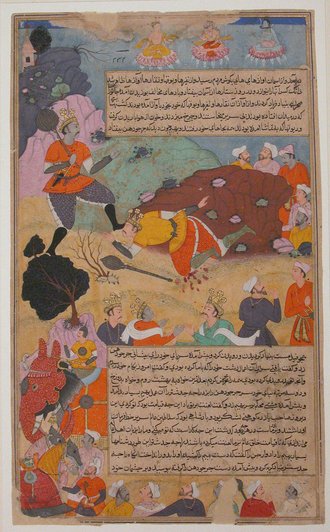
शिरस्यभिहतं दृष्ट्वा भीमसेनेन ते सुतम् । रामः प्रहरतां श्रेष्ठश्चक्रोध बलवद्वली ।।
ततो मध्ये नरेन्द्राणामूर्ध्वबाहुर्हलायुधः । कुर्वन्नार्तस्वरं घोरं धिग् धिग् भीमेत्युवाच ह ।।
Sanjaya said, “O King, when the mighty Balarama, foremost among warriors, beheld Bhimasena strike your son’s head with his foot, great wrath arose in him, fierce and swift as a rising storm. And there, before the gathered kings, Haladhara Balarama lifted high his two arms, and his voice rang out in terrible rebuke, echoing across the field: ‘Bhimasena! Shame upon you! Shame upon you!’”
अहो धिग् यदधो नाभेः प्रहृतं धर्मविग्रहे । नैतद् दृष्टं गदायुद्धे कृतवान् यद् वृकोदरः ।।
अधो नाभ्या न हन्तव्यमिति शास्त्रस्य निश्चयः । अयं त्वशास्त्रविन्मूढः स्वच्छन्दात् सम्प्रवर्तते ।।
“Alas!” he cried, “never before in a mace-fight has such a blow been seen as this which Bhimasena has dealt below the navel in a war called righteous. For it is forbidden to strike beneath the waist; this is the law laid down in the sacred teachings of mace-combat. Yet this Bhimasena, in folly and without heed for that ancient law, has acted here according to his own will alone.”
ततो लाङ्गलमुद्यम्य भीममभ्यद्रवद् बली । तस्योर्ध्वबाहोः सदृशं रूपमासीन्महात्मनः ।।
बहुधातुविचित्रस्य श्वेतस्येव महागिरेः ।
(भ्रातृभिः सहितो भीमः सार्जुनैरस्त्रकोविदैः । न विव्यथे महाराज दृष्ट्वा हलधरं बली ।।)
तमुत्पतन्तं जग्राह केशवो विनयान्वितः । बाहुभ्यां पीनवृत्ताभ्यां प्रयत्नाद् बलवद्बली ।।
So saying, the mighty Balarama seized his plough in wrath and rushed toward Bhimasena. And as he came on, with his arms upraised in fury, the great-souled Balarama shone like a vast white mountain in motion, made wondrous and terrible by the gleam of the precious metals that adorned him. Yet, O King, when Bhimasena beheld Haladhara advancing thus, he stood firm and untroubled beside Arjuna and his brothers, those masters of every weapon. Then the humble yet mighty Shri Krishna, putting forth his full strength, stepped between them, and with his thick and powerful arms he restrained the advancing Balarama.
उवाच चैनं संरब्धं शमयन्निव केशवः । आत्मवृद्धिर्मित्रवृद्धिर्मित्रमित्रोदयस्तथा ।।
विपरीतं द्विषत्स्वेतत् षड्विधा वृद्धिरात्मनः ।प्रतिज्ञापालनं धर्मः क्षत्रियस्येह वेद्म्यहम् ।।
सुयोधनस्य गदया भक्तास्म्यूरू महाहवे । इति पूर्व प्रतिज्ञातं भीमेन हि सभातले ।।
At that time, Shri Krishna, while pacifying the angry Balramji, said – ‘Brother! Our progress is of six types – our own growth, growth of our friend and growth of our friend’s friend and its opposite situation on the enemy’s side i.e. loss of the enemy, loss of the enemy’s friend and loss of the friend of the enemy’s friend. ‘I believe that keeping one’s vow in this world is the duty of a Kshatriya. In the first game of dice, Bhimsen had vowed that ‘I will break both the thighs of Duryodhana with my mace in the great war’.
मैत्रेयेणाभिशप्तश्च पूर्वमेव महर्षिणा । ऊरू ते भेत्स्यते भीमो गदयेति परंतप ।।वासुदेववचः श्रुत्वा सीरभृत् प्राह धर्मवित् ।।
धर्मः सुचरितः सद्भिः स च द्वाभ्यां नियच्छति ।प्रतिज्ञां भीमसेनस्य त्रयोदशसमार्जिताम् ।
किमर्थं नाभिजानाति युद्धयमानोऽपि विश्रुताम् ।।
ऊर्ध्वमुत्क्रम्य वेगेन जिघांसन्तं वृकोदरः । बभञ्ज गदया चोरू न स्थाने न च मण्डले ।।
At that time Shri Krishna spoke gently, seeking to calm the wrath of Balramaji, and he said, “Brother, the course of our destiny is known to move in six ways: the rise of ourselves, the rise of our friend, and the rise of our friend’s friend; and in like manner, the fall of the enemy, the fall of the enemy’s friend, and the fall of the ally of our enemy. And I hold this to be true above all—that for a Kshatriya in this world, the keeping of his vow is his highest duty. Remember also that in the first game of dice, Bhimasena swore before all that in the great war he would break both the thighs of Duryodhana with his mace.”
धर्मच्छलमपि श्रुत्वा केशवात् स विशाम्पते । नैव प्रीतमना रामो वचनं प्राह संसदि ।।
तदिदं व्याकुलं सर्वं कृतं धर्मस्य पीडनात् । भीमसेनेन गोविन्द कामं त्वं तु यथाऽऽत्थ माम् ।।
Sanjaya said, “O Lord of the earth, when Baladeva heard this subtle and cunning discourse on Dharma spoken by Lord Krishna, he was not content. And in the midst of the full assembly he spoke aloud: ‘Govinda! Bhimasena has wounded Dharma and overturned its order, driven by desire and greed. The manner in which you declare this deed to be righteous is but your own imagining, shaped according to your will.’”
हत्वाधर्मेण राजानं धर्मात्मानं सुयोधनम् । जिह्मयोधीति लोकेऽस्मिन् ख्यातिं यास्यति पाण्डवः ।।
दुर्योधनोऽपि धर्मात्मा गतिं यास्यति शाश्वतीम् । ऋजुयोधी हतो राजा धार्तराष्ट्रो नराधिपः ।।
“By slaying the righteous King Duryodhana through unjust means, Bhimasena, son of Pandu, shall be known in this world as a warrior who fights with deceit. And Duryodhana, son of Dhritarashtra, that virtuous king, having fallen in battle, shall surely attain the realm of eternal glory and salvation.”
इत्युक्त्वा रथमास्थाय रौहिणेयः प्रतापवान् । श्वेताभ्रशिखराकारः प्रययौ द्वारकां प्रति ।।
Having spoken thus, the mighty Balramaji, son of Rohini, whose fair radiance shone like the bright forefront of a white cloud, mounted his chariot and departed from that place, setting his course toward Dwarka.
The Last Words of Duryodhana
Here, despite his mortal wounds, Duryodhana spoke to Krishna. “O servant of Kamsa, you have killed Bhishma, Drona, Karna, Jayadratha by deceit. No sinner like you will be found on earth.”
Hearing this, Krishna smiled and said, “O foolish king, all these have died because of your own sins. You have committed many sins that deserve corporal punishment, such as using poison to kill bhima, burning down the lakshagriha, disrobing a free women like Draupadi in front of the entire clan, and so on. This is the result of the sins you have committed, carried away by strong greed and boundless desire.”
Turning then to the Pandavas, who stood there after the fall of their greatest enemy, Krishna said, “This king Duryodhana or that Bhishma and all the other great warriors could never have been killed by simple means. For your welfare, I myself used my Maya and killed them in various ways on the battlefield. Do not think about this enemy who was killed in this way. Many powerful enemies are killed by various methods and political means.”
Hearing this, the Pandavas were delighted, and by blowing the conch shell, they expressed their joy at the death of Duryodhana.
Yet the sound of that conch was not merely the sound of victory. It marked the end of a struggle that had begun long before the battlefield—on the day of the dice game, in the hall of humiliation, in the moment when vows were taken and destinies were fixed. What ended here was not only the life of a king, but the fulfillment of oaths, the settling of debts, and the closing of an age.
The Temple Far From the Field of War
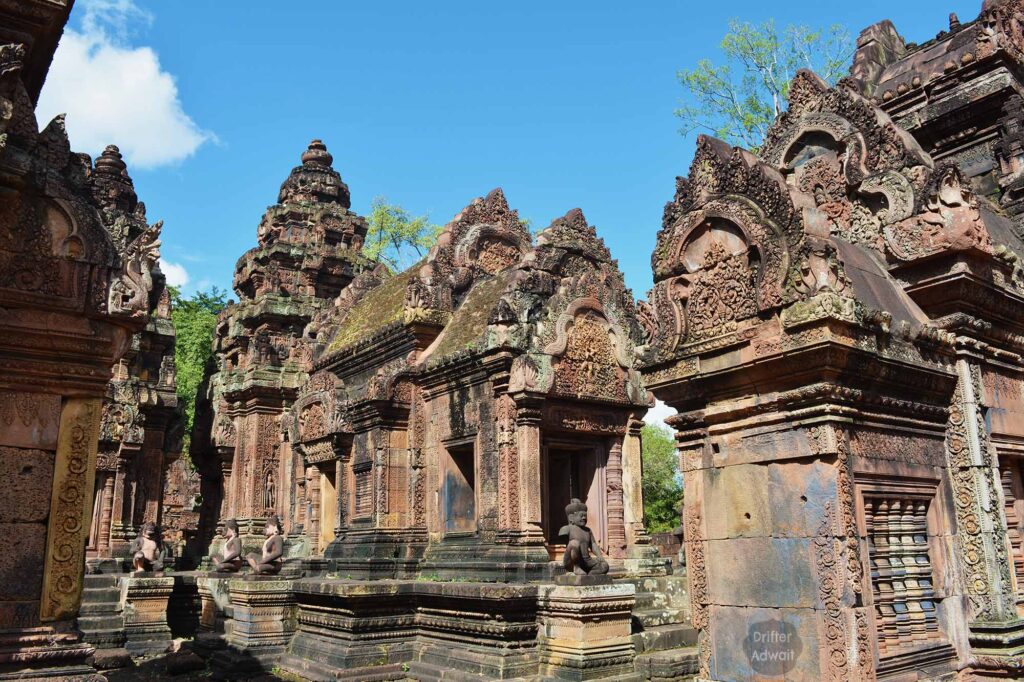
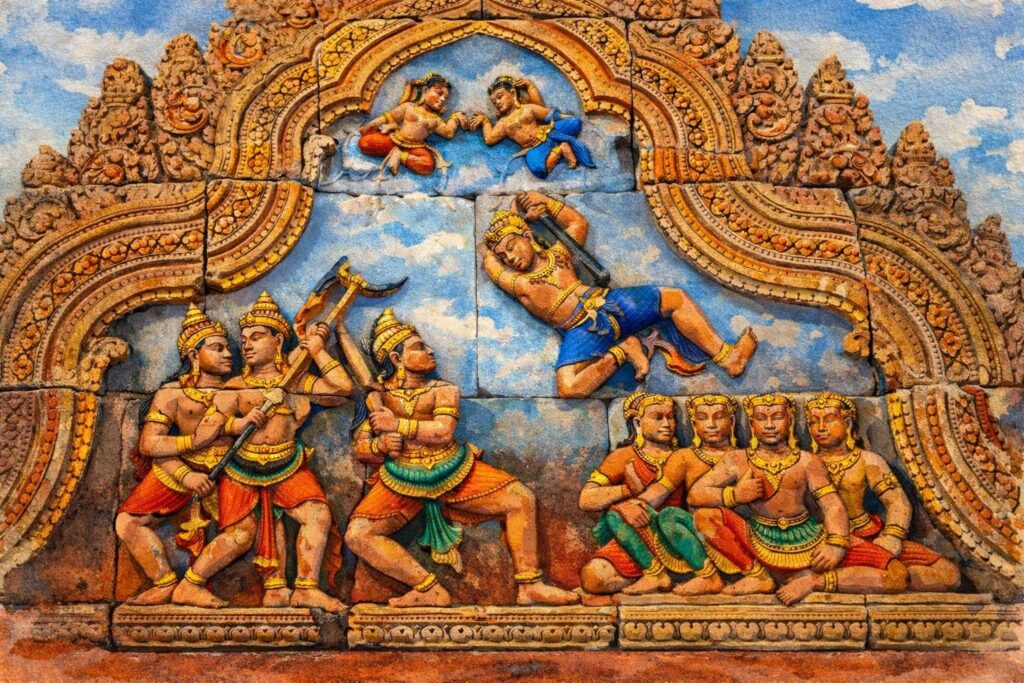
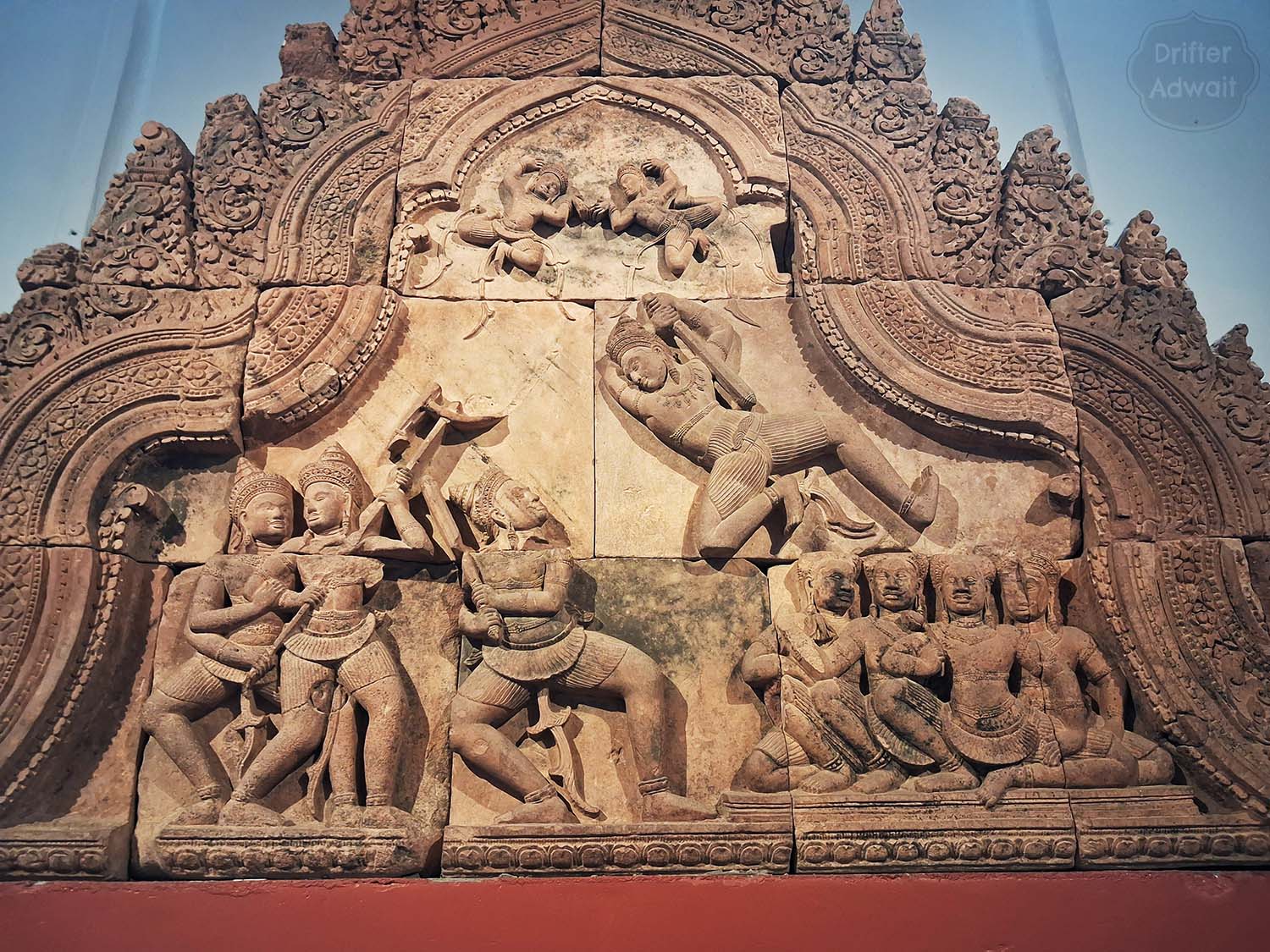
We do not see much evidence of this final mace battle in India today. But far away, in Cambodia, about five thousand kilometres from Kurukshetra, a marvelous temple was built.
This extremely beautiful Shiva temple of pink stone, called Tribhuvanmaheshwar, was completed on 22 April 967 by the ministers Vishnu Kumar and his brother, Ayurvedacharya Yajnavarah.
On its walls, this final moment was carved.
This sculpture of Duryodhana’s killing was once placed on the pylon of that temple, which is now known as Bante Srei. Today, it is preserved safely in the museum in Phnom Penh.
That a king’s final battle, fought on the plains of northern India, should be remembered in stone in Cambodia centuries later, shows that this was not merely the memory of one land. It had already become part of a larger sacred history shared across regions.
The Vision Preserved in Stone
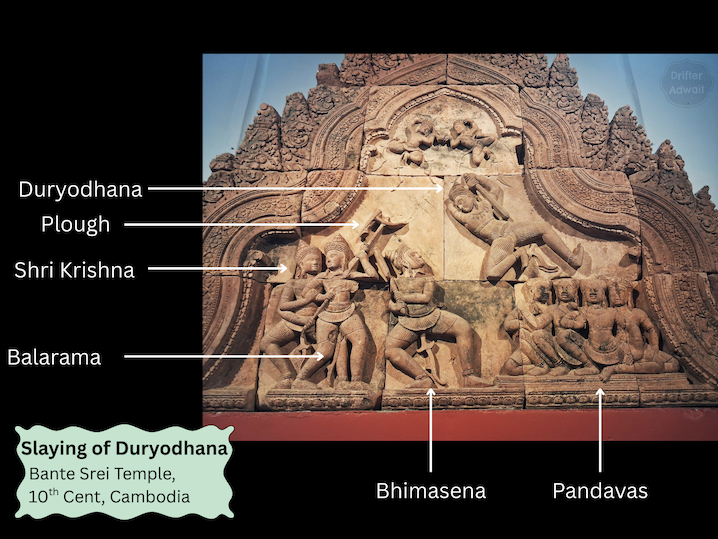
What is shown in this sculpture?
In the lower right corner, the Pandavas sit on the ground, watching the mace battle. They do not interfere. They watch. They wait. The long struggle that defined their lives is reaching its final moment.
In the center, King Duryodhana is shown leaping into the air with a Khmer-style mace. His crown, ornaments, and garments mark his royal dignity. Even at this final moment, he appears as a king and a warrior. The force of his attack, the extension of his body, and the grip of his weapon show that he has not accepted defeat.
In front of him, Bhimasena advances to strike. His movement is controlled. The vow he had taken years ago is now about to be fulfilled. The sculptor has captured not merely a fight, but the moment when a promise made in humiliation is answered in action.
The Wrath of Balarama and the Restraint of Krishna
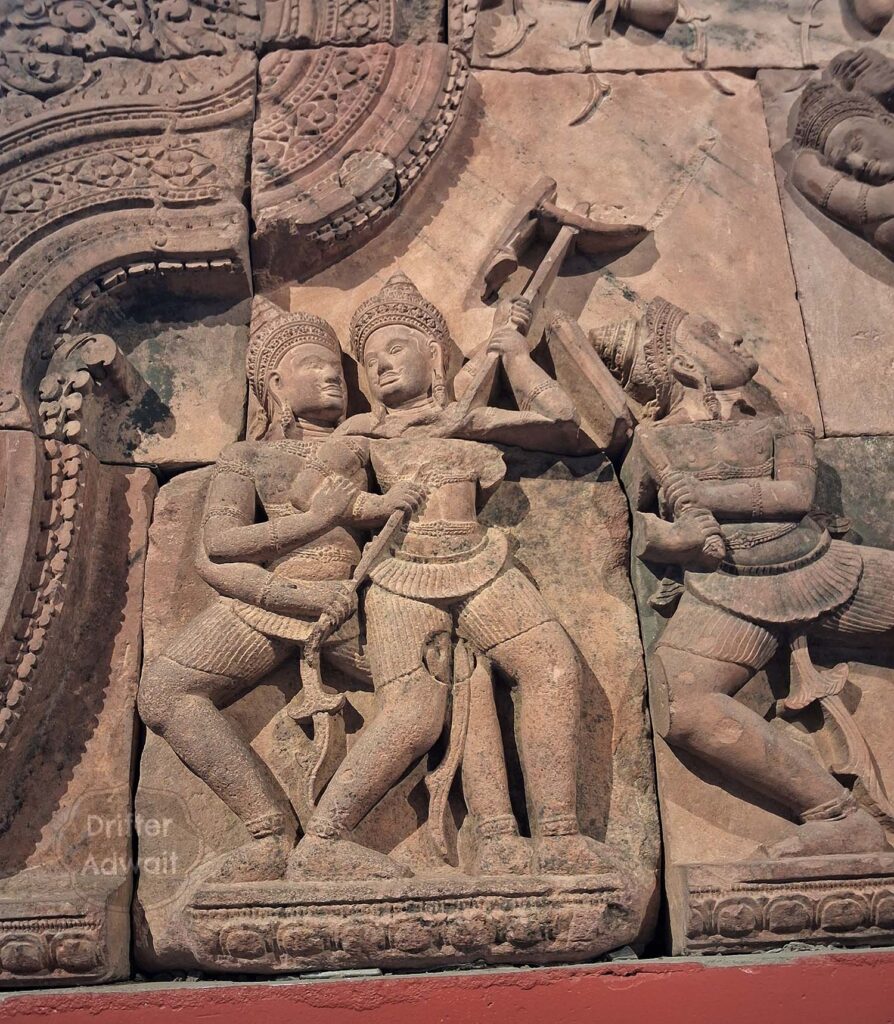
In the left corner of the sculpture stands Krishna. Before him is Balarama, holding his plow and moving forward in anger. Krishna is holding him back. With extreme anger, it seems as if Balarama is saying to his younger brother, “Kanha, leave me at once, this uncouth Bhima must be punished.”
Balarama had taught mace fighting to both Bhima and Duryodhana. To him, this was not only a battle. It was the violation of a code he had passed on to his students.
Krishna restrains him.
Between them stands the moment itself—between rule and result, between loyalty and necessity, between what should happen and what must happen.
The Hand of the Unknown Sculptor
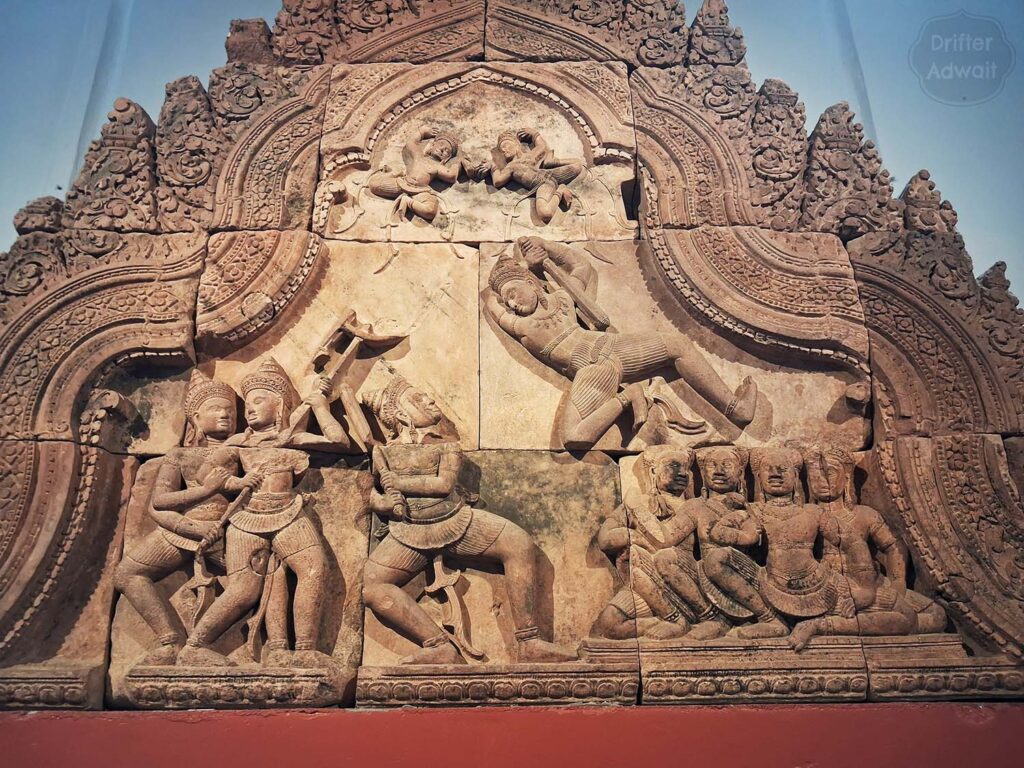
The excellence of this sculpture lies not only in its craftsmanship but in its understanding. Every figure has been carved with careful attention to gesture, posture, and emotional state. The sculptor has not merely shown bodies in motion; he has shown intention, hesitation, anger, restraint, and inevitability. The scene contains a narrative clarity and a psychological depth that transforms it from decoration into interpretation. It is visual philosophy expressed through form.
The identity of the sculptor is unknown to us, but his intellectual and cultural world is not entirely hidden. He was clearly familiar with the Mahabharata not just as a story, but as a moral and philosophical tradition. By choosing this precise moment and rendering it with such sensitivity, he demonstrated his participation in a shared civilizational discourse that extended far beyond his own land. His work stands as evidence of how deeply these ideas had been received, understood, and re-expressed in Cambodia.
The Meaning Beyond the Blow
The sculptor did not choose an ordinary moment of combat. He chose the moment just before the decisive and controversial act. Bhima’s strike against Duryodhana was not fully in accordance with the established rules of mace combat, and this ambiguity has been discussed for centuries within the Indian tradition itself. It raises questions about the relationship between justice and necessity, between personal vows and universal ethics, and between the ideal and the practical.
Balarama’s anger represents one side of this debate—the insistence on fairness, rule, and martial integrity. Krishna’s intervention represents another—the acceptance that in the real world, the restoration of dharma sometimes requires actions that appear morally complex or uncomfortable.
Bhima stands between these two poles, as the human agent who must act and bear the consequences. The sculptor understood this tension. He was not merely depicting an event; he was presenting a moral problem.
The Memory of a Cultural World
The presence of this scene in a Cambodian temple demonstrates that the Mahabharata was not confined to the geographical boundaries of India. It was part of a larger cultural sphere often described by modern scholars as the Sanskrit cosmopolis—a network of shared texts, ideas, symbols, and values that connected South and Southeast Asia for over a millennium.
This sculpture shows that the people of Cambodia did not passively receive the Mahabharata. They actively engaged with it, selected meaningful episodes, and reinterpreted them within their own artistic and cultural frameworks. The Khmer-style mace, the local artistic conventions, and the temple setting all show that this is both an Indian story and a Cambodian statement.
Through this work, we see that the Mahabharata functioned as a transregional intellectual resource. Its exploration of dharma, power, duty, and moral conflict spoke to societies across vast distances. The philosophy associated with Krishna, and the ethical dilemmas embodied in the epic, became part of a shared cultural vocabulary. This sculpture is therefore not just an illustration of a story. It is material evidence of a connected civilizational world, in which ideas moved across oceans and were given new and enduring form.
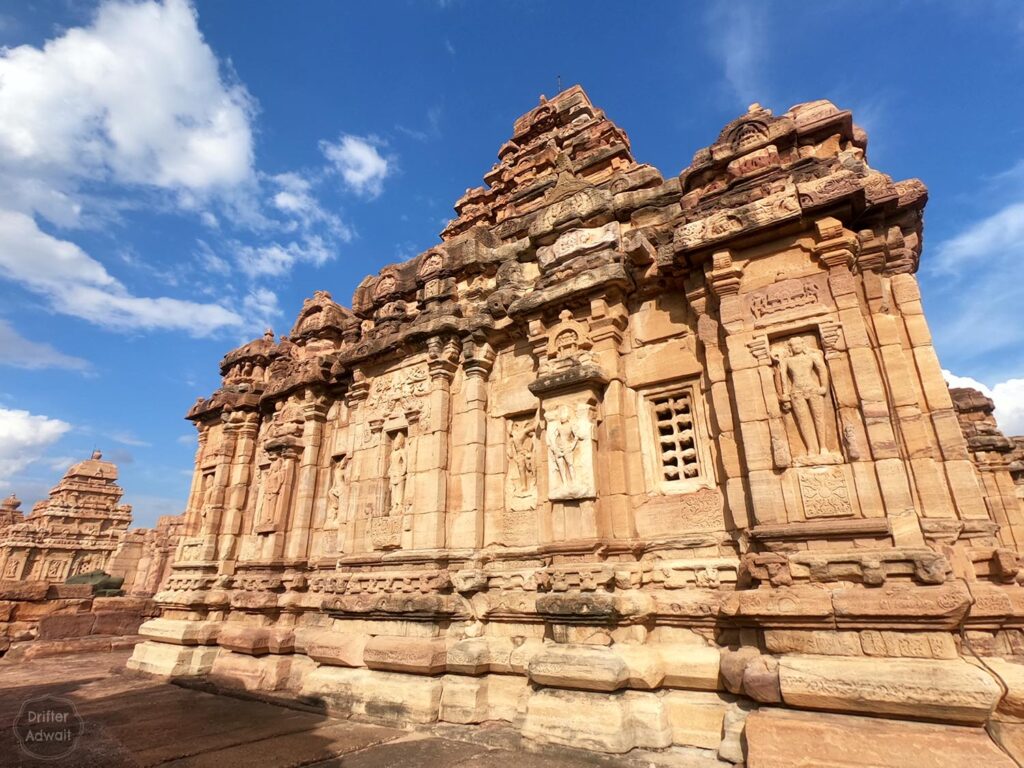
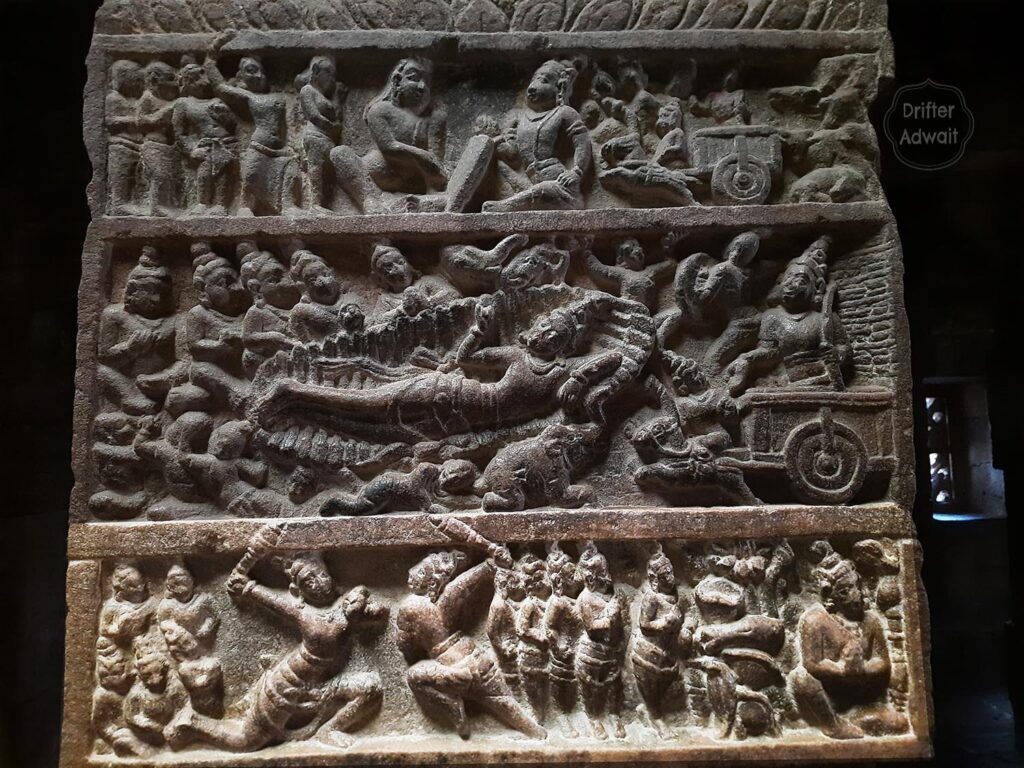
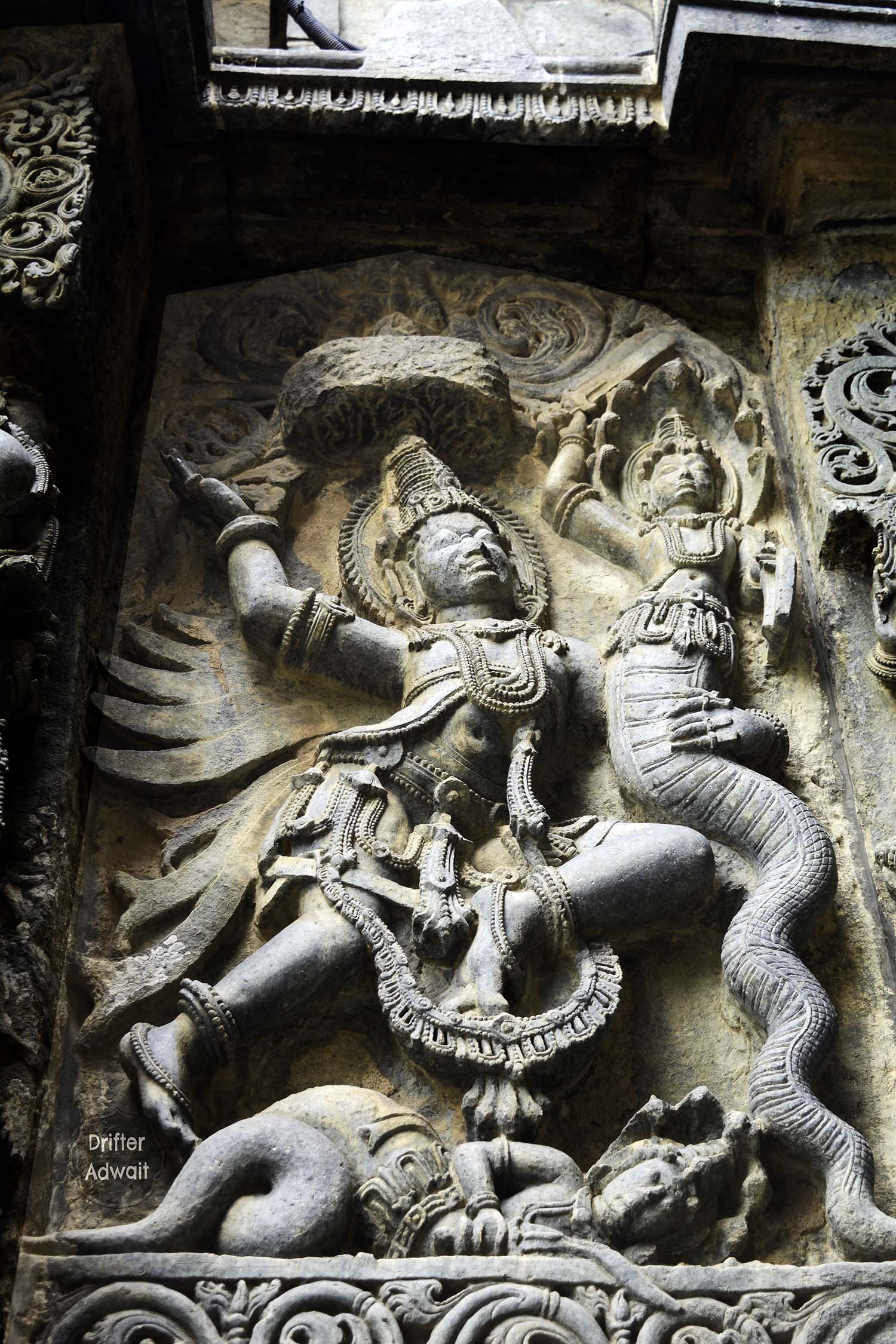
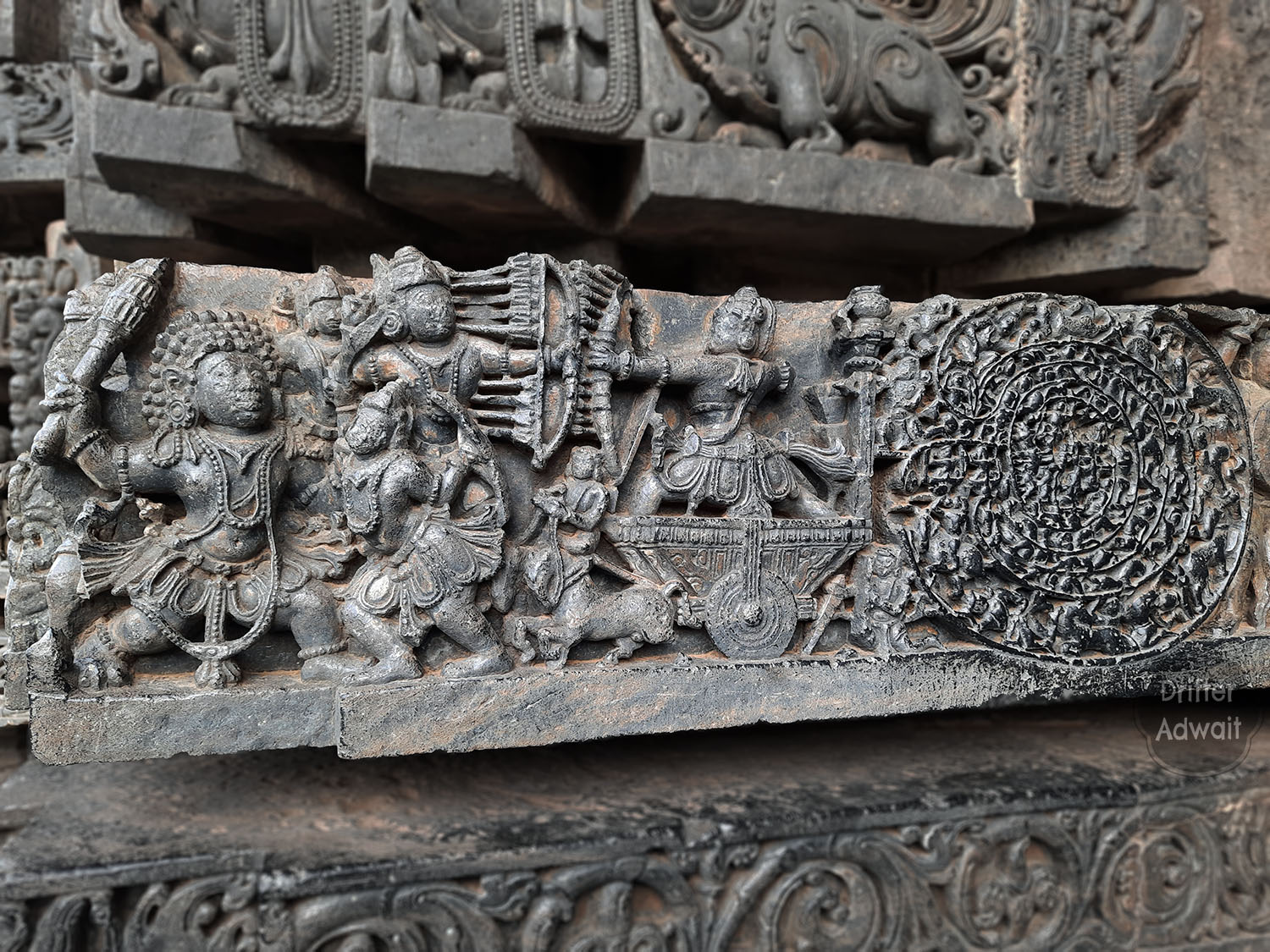
Virupaksha Temple, Pattadakal, 7th Century, Karnataka, India.
References: Gada Yuddha Parva, Shalya Parva, Mahabharat Volume 4, Edition 17, Gita Press Gorakhpur.